All persons
Lord George Gordon
1752–1793
- Nationality
- Kingdom of Great Britain
- Occupation
- politician
Lord George Gordon (26 December 1751 â 1 November 1793) was a British nobleman and politician best known for lending his name to the Gordon Riots of 1780.
Incarceration history
Facilities
- Newgate PrisonDates unknown
Biography
Lord George Gordon (26 December 1751 â 1 November 1793) was a British nobleman and politician best known for lending his name to the Gordon Riots of 1780. An eccentric and flighty personality, he was born into the Scottish nobility and sat in the House of Commons from 1774 to 1780. His life ended after a number of controversies, notably one surrounding his conversion to Judaism, for which he was ostracised. He died in Newgate Prison.
Related people
Same nationality and era where possible; falls back to shared nationality or era.
- Charles Hall1740–1825Kingdom of Great Britain
Charles Hall (1740â1825) was a British physician, social critic and Ricardian socialist who published The Effects of Civilization on the People in European States in 1805, condemning capitalism for its inability to provide for the poor.
 George Morland1763–1804Kingdom of Great Britain
George Morland (26 June 1763 â 29 October 1804) was an English painter.
.jpg) Robert Lloyd1733–1764Kingdom of Great Britain
Robert Lloyd1733–1764Kingdom of Great BritainRobert Lloyd (1733â1764) was an English poet and satirist. Lloyd was educated at Westminster School and Trinity College, Cambridge, graduating B.A.
- John Van Arsdale1756–1836Kingdom of Great Britain
John Jacob Van Arsdale (1756 â 1836) was an American Revolutionary War soldier, noted for his legendary participation in the Evacuation Day flag-raising in 1783.
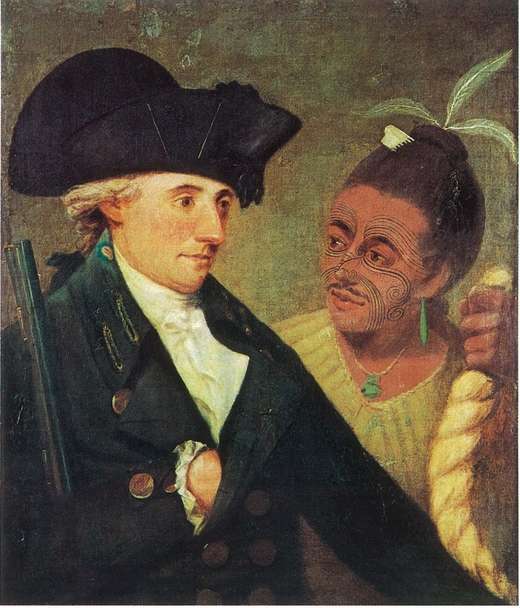 Charles Clerke1741–1779Kingdom of Great Britain
Captain Charles Clerke RN (22 August 1741 â 22 August 1779) was an officer in the Royal Navy who sailed on four voyages of exploration (including three circumnavigations), three with Captain James Cook.
_(14803275713).jpg) Thomas Bambridge1741Kingdom of Great Britain
Thomas Bambridge1741Kingdom of Great BritainThomas Bambridge (died 1741) was a British attorney who became a notorious warden of the Fleet Prison in London. Bambridge became warden of the Fleet in 1728.