Data is aggregated from public sources and may be incomplete or out of date. Always verify with primary sources before acting on any figure. See data sources.
From Wikimedia Commons (CC-BY-SA where not otherwise stated).
Photo by Unknown authorUnknown author via Wikimedia Commons (Public domain)
Photo by Lewis Clarke via Wikimedia Commons (CC BY-SA 2.0)
Photo by Unknown authorUnknown author via Wikimedia Commons (Public domain)
Photo by Neil Theasby via Wikimedia Commons (CC BY-SA 2.0)
Photo by Prosthetic Head via Wikimedia Commons (CC BY-SA 4.0)
Photo by Prosthetic Head via Wikimedia Commons (CC BY-SA 4.0)
Photo by Palickap via Wikimedia Commons (CC BY-SA 3.0)
Photo by Brian Snelson from Hockley, Essex, England via Wikimedia Commons (CC BY 2.0)
UK Local prison operated by HM Prison & Probation Service. Listed in the GOV.UK Find a prison directory.
Background
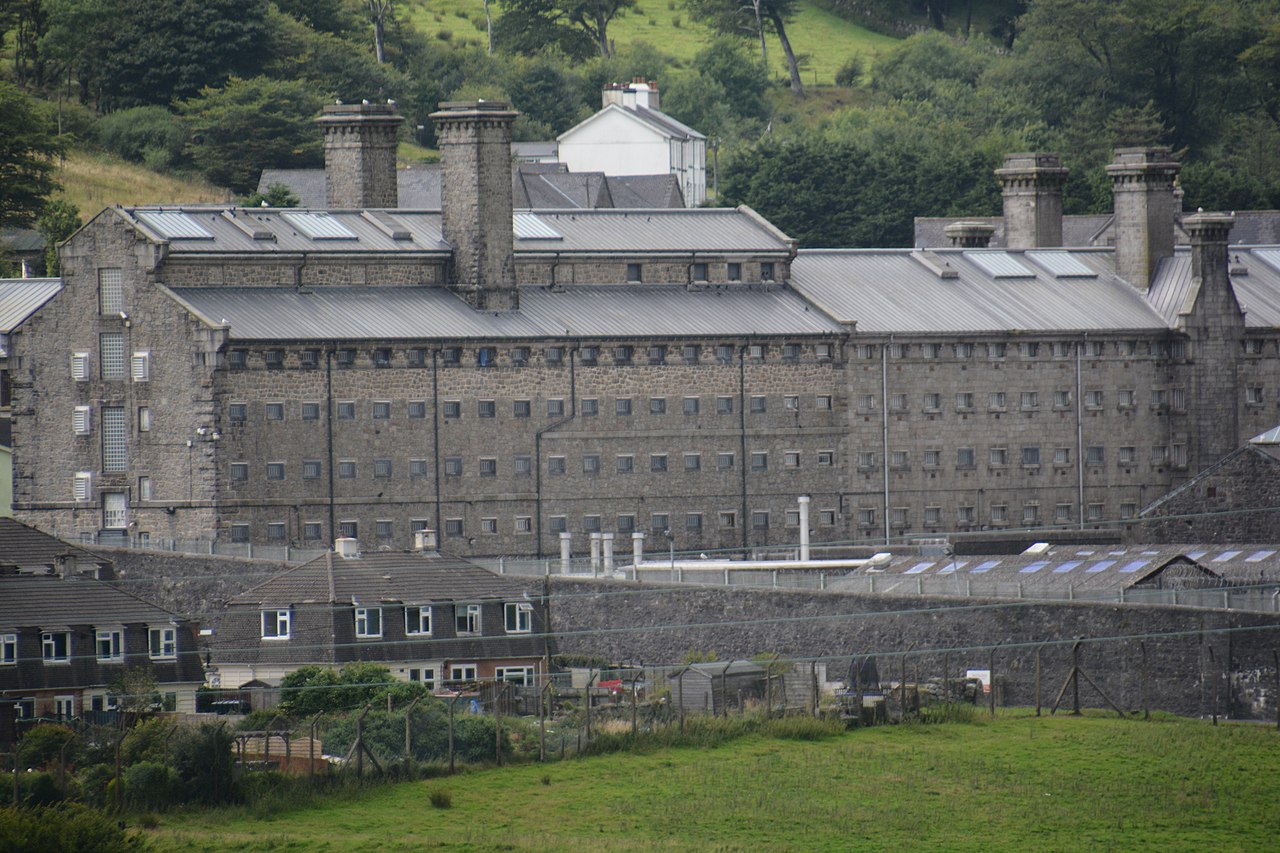
HM Prison Dartmoor is a Category C men's prison, located in Princetown, high on Dartmoor in the English county of Devon. Its high granite walls dominate this area of the moor. The prison is owned by the Duchy of Cornwall, and is operated by His Majesty's Prison Service.
The prison closed temporarily in 2024 for radon mitigation and investigation works.
Dartmoor Prison was given Grade II heritage listing in 1987.
jails in the country, received a reprieve in 2021 because of ongoing population Given the relatively older age of the Dartmoor population, the long sentences education places, the inspectorate would be very concerned if the number of failure to invest in the infrastructure meant that the prison had not had some of facilities. Given the state of the jail, the leaders had done well to keep the prison Leaders had not developed adequate systems for collecting and monitoring accurate data in a number of key areas that were directly affecting outcomes for We were very concerned by the failure of leaders to monitor the regime get work or into education were much too long and education staff shortages formed an important part of many prisoners’ sentence plans, held back Relationships between staff and prisoners were a real strength of the prison, affecting what was a generally positive culture. Leaders were at an early stage
Visiting
social visits. Recently the booking line had been out of action, meaning
Mailing
cell phones, electronic kiosks, or fit-for-purpose health, education, or laundry in such a remote prison. The monitoring of mail for some high-risk prisoners done by the Peaceful Solutions scheme were helping to transform the lives of
Practical info
many are serving and the already inadequate numbers of work, training and education places, the inspectorate would be very concerned if the number of cell phones, electronic kiosks, or fit-for-purpose health, education, or laundry We were very concerned by the failure of leaders to monitor the regime Attendance at education was low, and again this was not being monitored or addressed. The offer from the education provider had not taken into account get work or into education were much too long and education staff shortages One of the strengths of the jail was the peer work. Prisoners could earn work in trusted positions and reception orderlies, listeners and some excellent work despite this very good work, access to specific accredited interventions, which
Known issues
was not happening and the collection and response to incident reports was
Higher risk than 75% of peer facilities in United Kingdom.
Capacity (beds)this: 660 · peers avg: 572 (+15%)
Reports
HMIP9 Oct 2023
Having been scheduled to close for some years, Dartmoor, one of the oldest
jails in the country, received a reprieve in 2021 because of ongoing population
pressures in the English prison estate. Many of the problems we highlight in this
report stem from the costly failure by the prison service to plan adequately for
this situation and, on this inspection, it was disappointing to see the doubling up
of cells that were designed for, and at our last inspection held, one prisoner.
Given the relatively older age of the Dartmoor population, the long sentences
many are serving and the already inadequate numbers of work, training and
education places, the inspectorate would be very concerned if the number of
prisoners increases further.
At our last inspection in 2017, we described a prison that was decaying fast with
damp cells and buckets strategically placed underneath leaking roofs. This
failure to invest in the infrastructure meant that the prison had not had some of
the improvements that we have seen elsewhere, such as the introduction of in-
cell phones, electronic kiosks, or fit-for-purpose health, education, or laundry
facilities. Given the state of the jail, the leaders had done well to keep the prison
clean and there had been refurbishment of some showers.
Leaders had not developed adequate systems for collecting and monitoring
accurate data in a number of key areas that were directly affecting outcomes for
prisoners. They were not aware that there had been a decline in the number of
social visits. Recently the booking line had been out of action, meaning
prisoners were not able to see family and friends, which is already a challenge
in such a remote prison. The monitoring of mail for some high-risk prisoners
was not happening and the collection and response to incident reports was
inconsistent.
We were very concerned by the failure of leaders to monitor the regime
adequately. It was significantly worse than they thought and was curtailed more
than 80% of the time, with ad-hoc decisions to keep prisoners locked up made
by individual officers. This meant that prisoners often were not allowed outside
more than twice a week, and one prisoner who had been on the induction unit
told me he had only been outside once in the eight days since he had arrived.
This ongoing issue had not been identified by the regional team.
Attendance at education was low, and again this was not being monitored or
addressed. The offer from the education provider had not taken into account
either the needs of the prisoners or regional labour shortages. Waiting lists to
get work or into education were much too long and education staff shortages
meant there were a limited range of courses available.
One of the strengths of the jail was the peer work. Prisoners could earn work in
trusted positions and reception orderlies, listeners and some excellent work
done by the Peaceful Solutions scheme were helping to transform the lives of
some troubled prisoners. The report from our 2017 inspection was highly critical
of the support prisoners were receiving in progressing through their sentences,
so we were very pleased to see a considerable improvement on our latest
inspection. The very effective senior probation officer had built a well-motivated
team that was offering some excellent support to prisoners. Disappointingly,
despite this very good work, access to specific accredited interventions, which
formed an important part of many prisoners’ sentence plans, held back
sentence progression as they were not available at the prison. This was a
cause of much frustration.
Relationships between staff and prisoners were a real strength of the prison,
although we did come across some officers whose behaviour was negatively
affecting what was a generally positive culture. Leaders were at an early stage
of addressing this challenge.
The handover from the health provider to a new contractor had proved