All prisons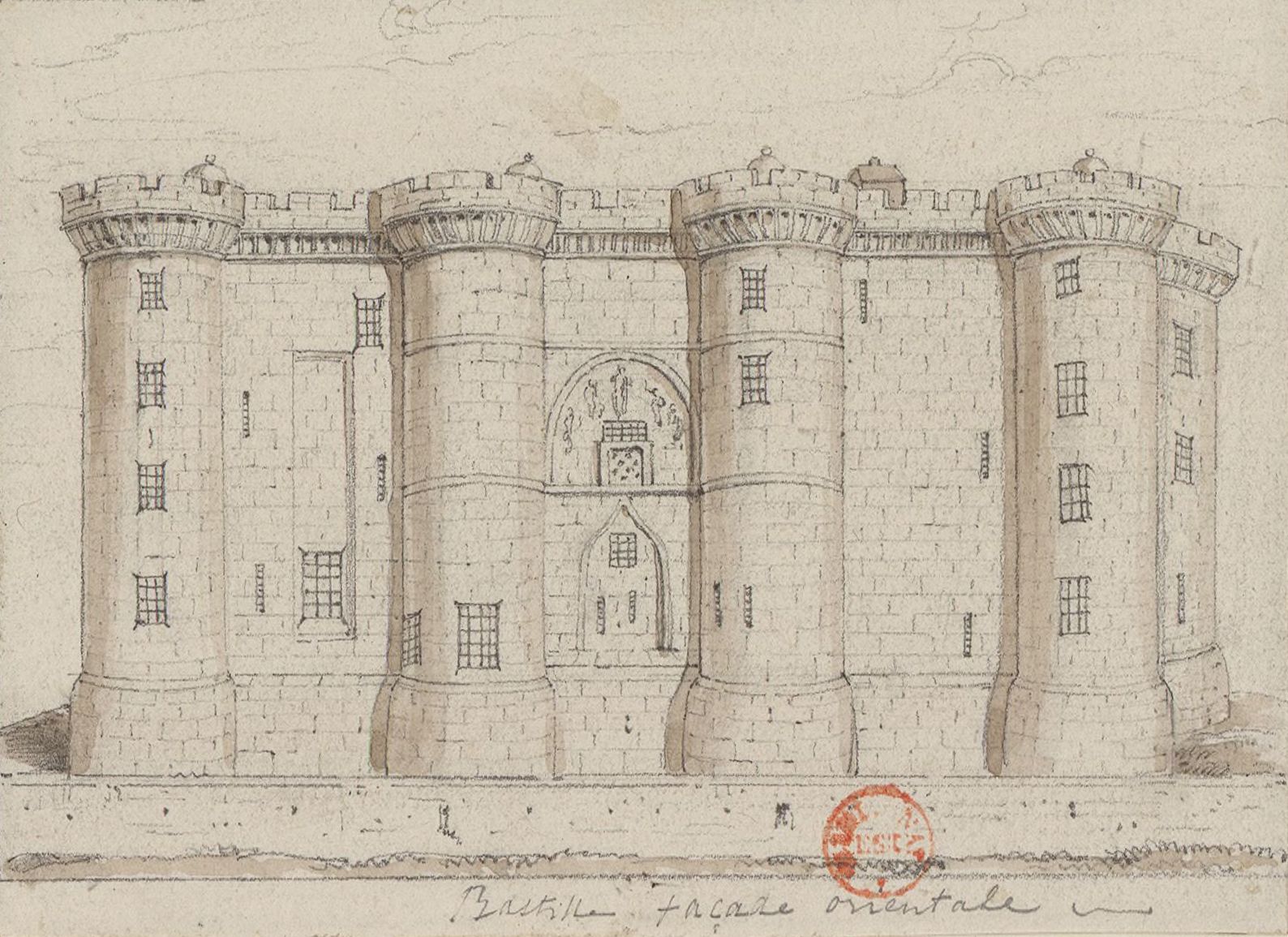
All in France →
France · 4th arrondissement of Paris
Bastille
Closed 1789Low
Verified
Aging · 4mo ago
Sources last reviewed on
Data is aggregated from public sources and may be incomplete or out of date. Always verify with primary sources before acting on any figure. See data sources.
For families
How to send mail, money, and visit Bastille
Step-by-step guidance using the France system — addresses, money services, visit booking, what to bring on your first visit.
Gallery
From Wikimedia Commons (CC-BY-SA where not otherwise stated).
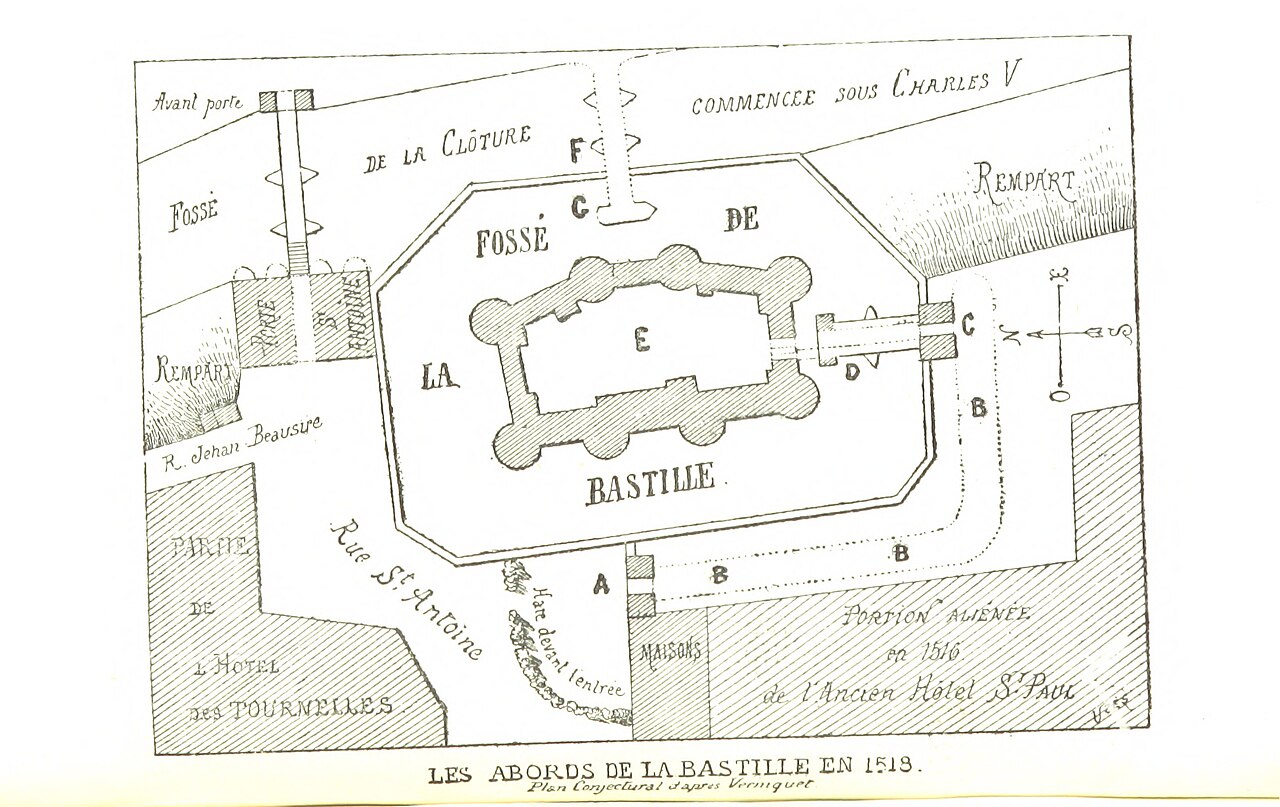
Photo by Alfred Bonnardot via Wikimedia Commons (No restrictions)

Photo by Rigaud, 18th century via Wikimedia Commons (Public domain)

Photo by came from Aubin-Louis Millin's Antiquités nationales published 1790 via Wikimedia Commons (Public domain)
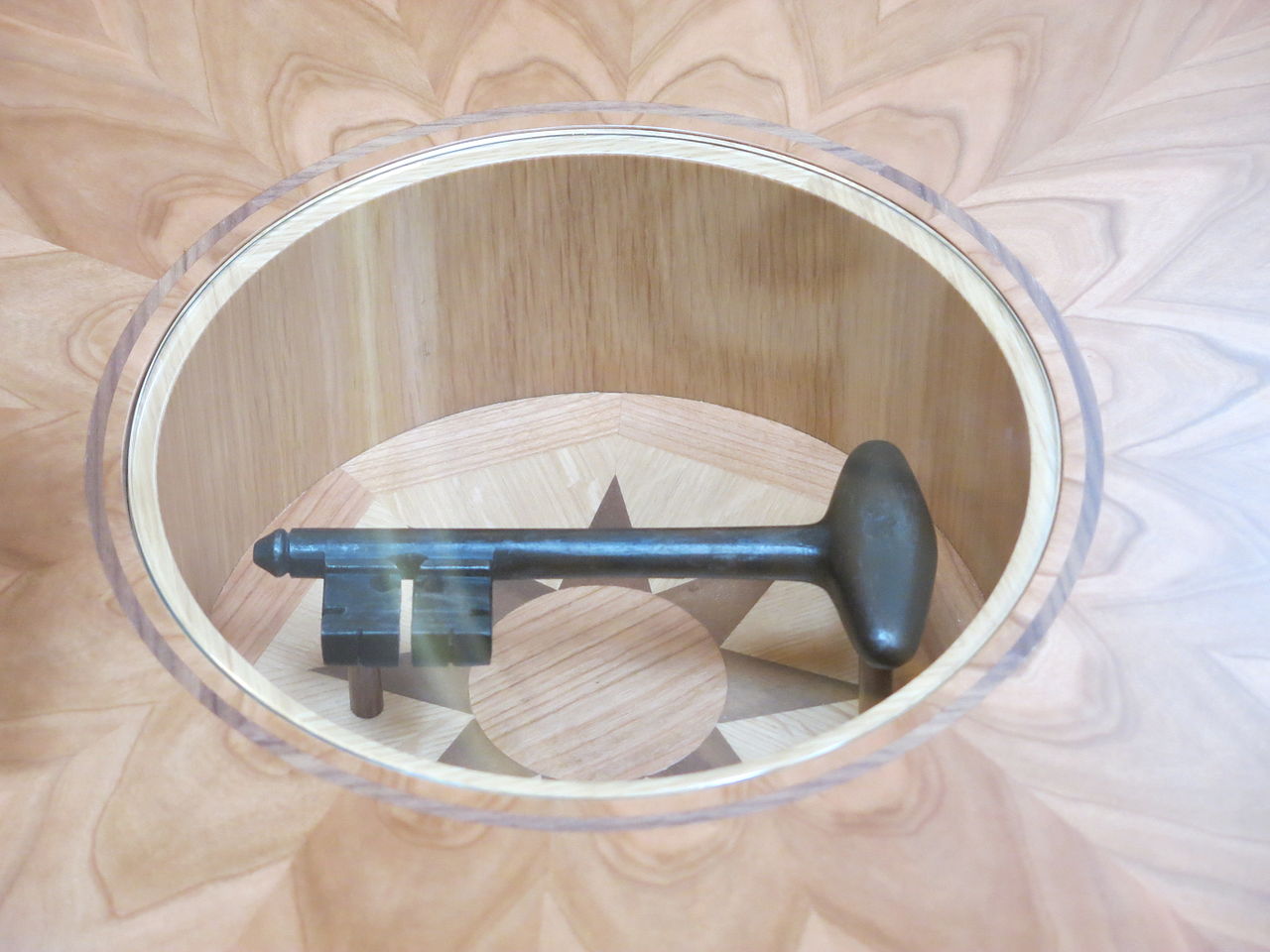
Photo by Tangopaso via Wikimedia Commons (Public domain)
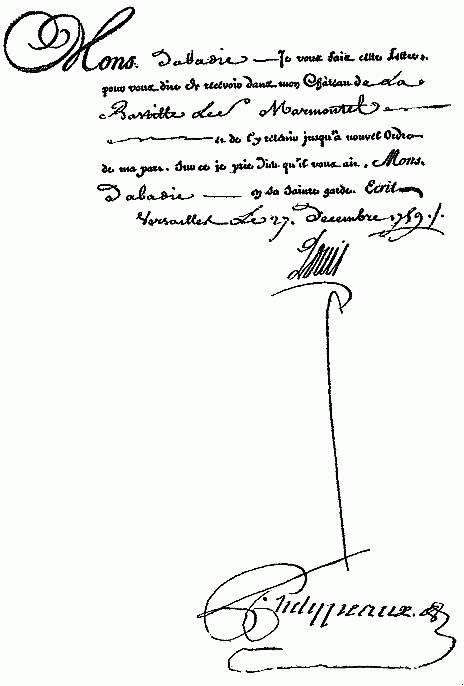
Photo by Louis XV of France via Wikimedia Commons (Public domain)

Photo by Theodor Josef Hubert Hoffbauer via Wikimedia Commons (Public domain)

Photo by Anonymous, 1750 via Wikimedia Commons (Public domain)

Photo by Jacques Callot (1623-1652) via Wikimedia Commons (Public domain)
Background
The Bastille (, French: [bastij] ) was a medieval fortress in Paris, known as the Bastille Saint-Antoine. It played an important role in the internal conflicts of France and for most of its history was used as a state prison by the kings of France. It was stormed by a crowd on 14 July 1789, in the French Revolution, becoming an important symbol for the French Republican movement. It was later demolished and replaced by the Place de la Bastille. The castle was built to defend the eastern approach to the city from potential English attacks during the Hundred Years' War.
Source: Wikipedia article lead, CC-BY-SA.
Capacity
—
Current population
—
Occupancy
—
Year opened
1370
Closed 1789
Figures from official sources · verified 29 May 2026 · methodology
Facility profile
Operator
—
Population held
Mixed/unknown
Opened
1370
Region
4th arrondissement of Paris
Security level
—
Death-row facility
No
Conditions
No conditions summary available yet.
Visiting
No visiting information available.
Mailing
No mailing information available.
Practical info
Contact the operator's website for inmate-specific procedures.
Known issues
No major issues documented in our database.
Notable inmates
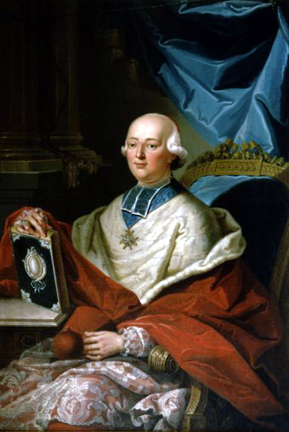 Cardinal de Rohan1734–1803 · Catholic priest
 Michel-Jean-Hugues Péan1723–1782 · military personnel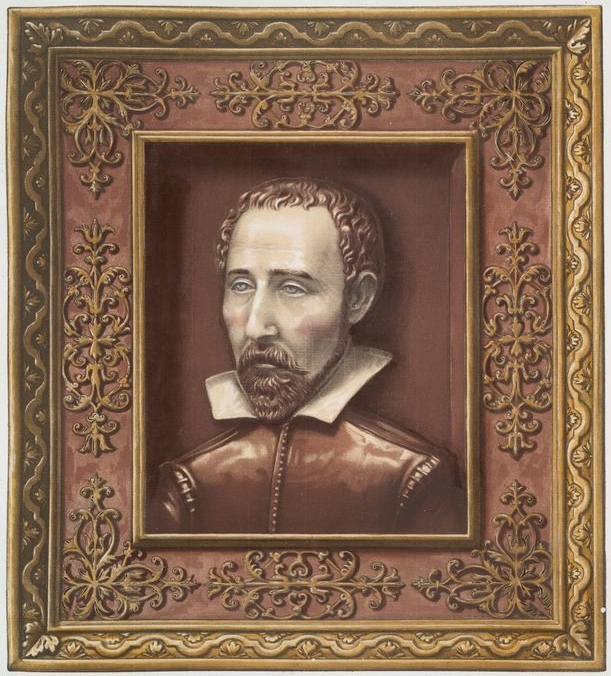
 Jacques d'Armagnac, Duke of Nemours1433–1477 · feudatory
Jacques d'Armagnac (c.â1433 â 4 August 1477), duke of Nemours, was a 15th-century French nobleman and military leader.
 Jeanne-Marie Bouvier de La Motte Guyon1648–1717 · autobiographer
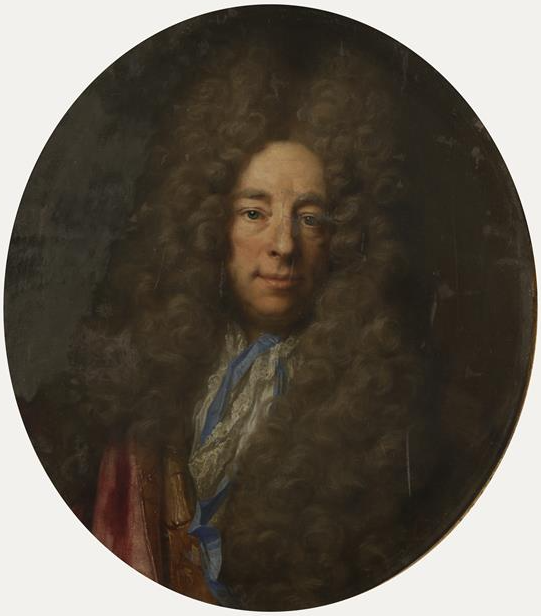 Guillaume de Harouys1618–1699
- René Auguste Constantin de Renneville1677–1723 · writer
René Auguste Constantin de Renneville (October 9, 1677 â March 13, 1723), was a French writer. He was born in Caen, Province of Normandy.
.jpg) Jean-Baptiste d'Ornano1581–1626 · military officer
Jean-Baptiste d'Ornano1581–1626 · military officerJean-Baptiste d'Ornano, Marquis de Montlaur (1581â1626) was a French nobleman and Marshal of France (1626).
 Marquis de Sade1740–1814 · novelist
Donatien Alphonse François, Marquis de Sade ( SA(H)D; French: [dÉnasjÉÌ alfÉÌs fÊÉÌswa maÊki dÉ sad]; 2 June 1740 â 2 December 1814) was a French writer, libertine, political activist, and nobleman best known for his libertine novels and imprisonment for sex crimes, blasphemy, and pornography.
Showing 9 of 12. Source: Wikidata + Wikipedia.
Contact & address
No public contact details available.
Conditions Risk Score
Derived signal — not a judgement. How it's calculated
—
Insufficient data
We don't have enough public data on this facility to score it. Have something to add? Send us a correction.
Related facilities
Same country, matched on type + security level where possible.
- Maison d'arrêt BayonneBayonnepretrialMaison d'arrêt209% occupancy
- Maison d'arrêt CarcassonnepretrialMaison d'arrêt236% occupancy
- Maison d'arrêt LimogesLimogespretrialMaison d'arrêt219% occupancy
- Maison d'arrêt VannespretrialMaison d'arrêt200% occupancy
- Maison d'arrêt AuxerreAuxerrepretrialMaison d'arrêt208% occupancy
- Maison d'arrêt AmiensAmienspretrialMaison d'arrêt212% occupancy
Data completeness
16%How many of our profile fields are populated. We surface this so families and researchers know the limits.
Sources
- Wikipedia — Wikimedia Foundation
- Wikidata — Wikimedia Foundation
- Wikidata (Q1865480)
- Wikipedia
- Wikimedia Commons
- See /data-sources for our overall methodology.
Cite this page
Under CC-BY-4.0. Include the URL and access date; the site is a living reference and entries can change.
APA
World Prisons. (2026). Bastille. Retrieved September 19, 2026, from https://worldprisons.com/prisons/bastille
Chicago
"Bastille." World Prisons. Accessed September 19, 2026. https://worldprisons.com/prisons/bastille.
BibTeX
@misc{worldprisons-bastille,
  author = {{World Prisons}},
  title = {Bastille},
  year = {2026},
  url = {https://worldprisons.com/prisons/bastille},
  urldate = {2026-09-19}
}