All persons
Vinayak Damodar Savarkar
1883–1966
- Nationality
- British Raj
- Occupation
- poet
Vinayak Damodar Savarkar (28 May 1883 â 26 February 1966) popularly called Veer Savarkar, was an Indian politician and ideologue.
Incarceration history
Facilities
- Cellular JailDates unknown
Biography
Vinayak Damodar Savarkar (28 May 1883 â 26 February 1966) popularly called Veer Savarkar, was an Indian politician and ideologue. Savarkar developed the Hindu nationalist political ideology of Hindutva while confined at Ratnagiri in 1922. He was a leading figure in the Hindu Mahasabha. Savarkar began his political activities as a high school student and continued at Fergusson College in Pune. He and his brother founded a secret society called Abhinav Bharat Society. When Savarkar travelled to England for his law studies, he involved himself with organisations such as India House and the Free India Society. He also published books advocating complete Indian independence by revolutionary means. One of the books he published called The Indian War of Independence about the Indian Rebellion of 1857 was banned in British India. In 1910, Savarkar was arrested by British authorities and deported back to India as a result of his involvement with India House. Upon returning to India, Savarkar was sentenced to 50 years of imprisonment in the Cellular Jail in the Andaman and Nicobar Islands. He was released in 1924 after writing a series of mercy petitions to the British colonial government. Savarkar virtually ceased his criticism of British rule in India after he was released from jail. After being released from his restriction to Ratnagiri district in 1937, Savarkar started travelling widely, becoming a prominent orator and writer who advocated for Hindu political and social unity. In his Ahmedabad speech, he supported the two-nation theory. The Hindu Mahasabha under Savarkar's leadership endorsed the idea of India as a Hindu Rashtra (Hindu nation). In 1939, the ruling Indian National Congress (INC) resigned en masse over Britain declaring India a belligerent in World War II. The Hindu Mahasabha under Savarkar formed alliances with the All-India Muslim League and other non-INC parties to form government in many states. Subsequently, the INC, under Gandhi's leadership, launched the Quit India Movement; Savarkar boycotted the movement, writing a letter titled "Stick to your Posts" and recruiting Indians for the British war effort. In 1948, Savarkar was charged as a co-conspirator in the assassination of Mahatma Gandhi; he was acquitted by the court for lack of evidence.
Related people
Same nationality and era where possible; falls back to shared nationality or era.
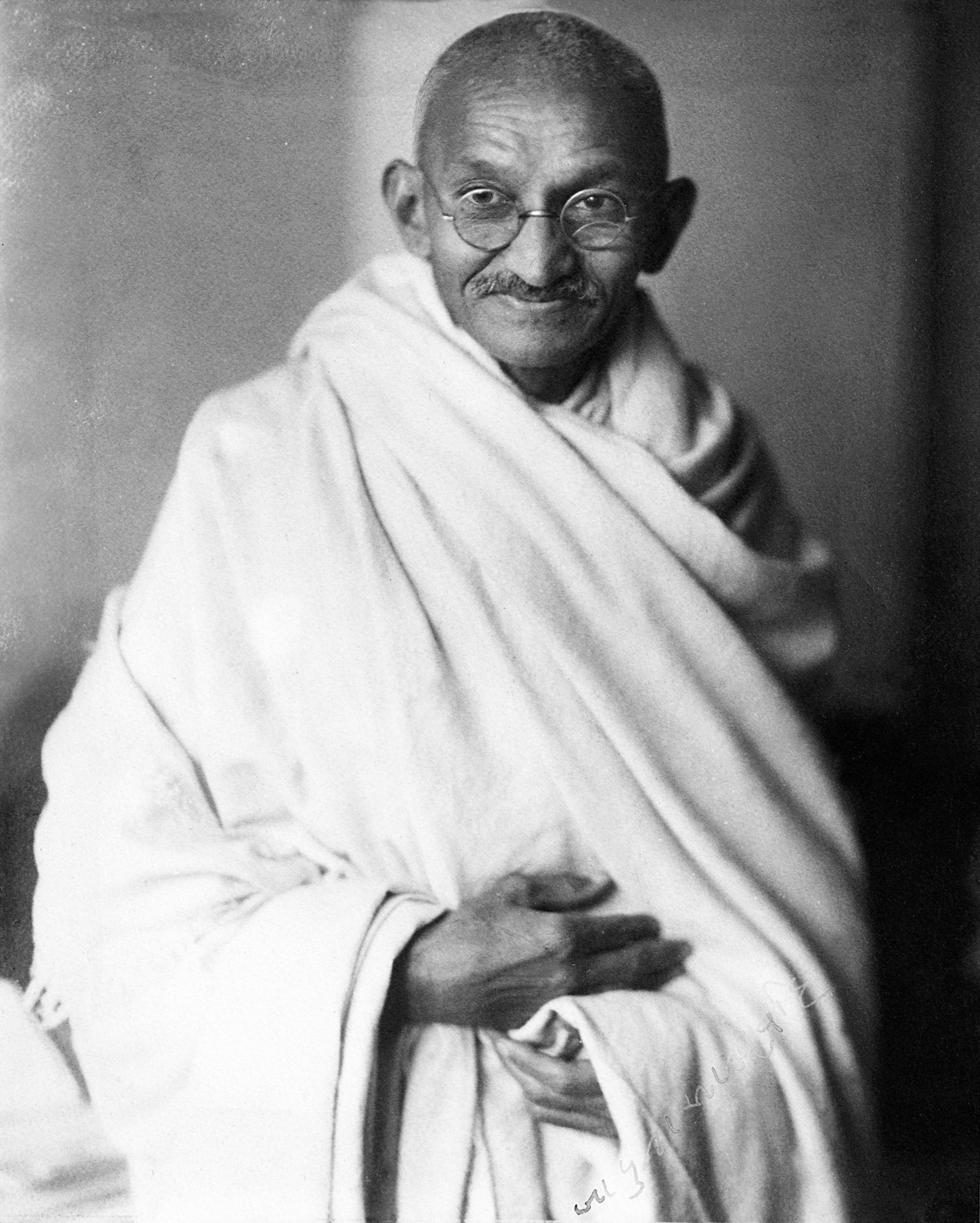 Mahatma Gandhi1869–1948British Raj
 Buck Ruxton1899–1936British Raj
 Ullaskar Dutta1885–1965British Raj
Ullaskar Dutta (16 April 1885 â 17 May 1965) was an Indian revolutionary associated with Anushilan Samiti and Jugantar of Bengal, and was a close associate of Barindra Ghosh.
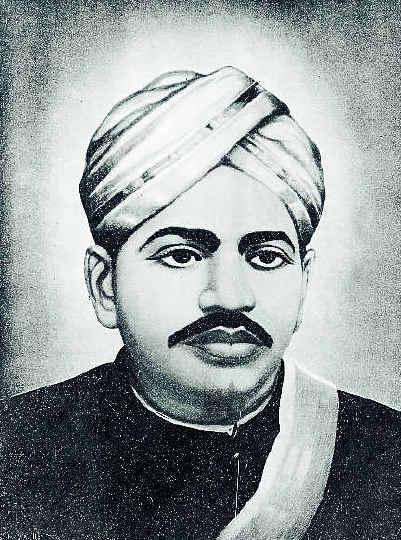 V. O. Chidambaram Pillai1872–1936British Raj
Valliappan Olaganathan Chidambaram Pillai (5 September 1872 - 18 November 1936) was an Indian freedom fighter, lawyer, businessman, Tamil scholar, and politician.
 Sohan Singh Bhakna1870–1968British Raj
Baba Sohan Singh Bhakna (4 January 1870 â 20 December 1968) was an Indian revolutionary, the founding president of the Ghadar Party, and a leading member of the party involved in the Ghadar Conspiracy of 1915.
 Subodh Roy1916–2006British Raj
Subodh Roy (1915 â 26 August 2006) (also known as Jhunku Roy) was an Indian revolutionary socialist who was influential in the Indian independence movement, and a politician.