All persons
Nikolai Krestinsky
1883–1938
- Nationality
- Russian Empire
- Occupation
- diplomat
Incarceration history
Facilities
- Lubyanka BuildingDates unknown
- Lubyanka BuildingDates unknown
Biography
Nikolay Nikolayevich Krestinsky (Russian: ÐиколаÌй ÐиколаÌÐµÐ²Ð¸Ñ ÐÑеÑÑиÌнÑкий; 13 October 1883 â 15 March 1938) was a Soviet Bolshevik revolutionary and politician who served as the Responsible Secretary of the Communist Party of the Soviet Union. Born in Mogilev to a Ukrainian family, Krestinsky studied law at Saint Petersburg Imperial University, where he embraced revolutionary politics. He became a member of the Russian Social Democratic Labour Party (RSDLP) in 1903, and two years later he supported Vladimir Lenin's Bolshevik faction following the RSDLP split. Repeatedly arrested, he was exiled to the Urals in 1914, shortly before the outbreak of the First World War. After the 1917 February Revolution brought an end to the monarchy, Krestinsky led the Bolsheviks in Yekaterinburg before returning to Petrograd. He was named People's Commissar for Finance and elected to the first Politburo. After the death of Yakov Sverdlov, Krestinsky also served as Responsible Secretary of the Russian Communist Party. Krestinsky was an ally of Leon Trotsky and supported the Left Opposition. With the rise of Joseph Stalin, Krestinsky gradually fell from power and lost his positions in the government, save for his post as Soviet ambassador to Germany. He eventually repudiated his opposition and capitulated to Stalin. Krestinsky was arrested in 1937 in the Great Purge and charged with treason. He was found guilty in the 1938 Trial of the Twenty-One and executed.
Related people
Same nationality and era where possible; falls back to shared nationality or era.
.jpg) Vera Kharuzhaya1903–1942Russian Empire
Vera Kharuzhaya1903–1942Russian Empire- UladzislaÅ PaÅliukoÅski1895–1955Russian Empire
 Vladimir Kotulsky1879–1951Russian Empire
 Konstantin Rokossovsky1896–1968Russian Empire
Konstantin Konstantinovich Rokossovsky (9 December [O.S.
 Aron Baron1891–1937Russian Empire
Aron Davydovych Baron (Ukrainian: ÐÑоÌн ÐавиÌÐ´Ð¾Ð²Ð¸Ñ ÐаÌÑон; 1891â1937) was a Ukrainian Jewish anarchist revolutionary.
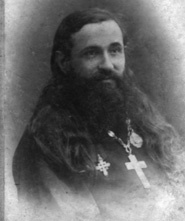 Alexander Glagolev1872–1937Russian Empire
Alexander Alexandrovich Glagolev (Ukrainian: ÐлекÑÐ°Ð½Ð´Ñ ÐлекÑандÑÐ¾Ð²Ð¸Ñ ÐлаголÑв, Russian: ÐлекÑаÌÐ½Ð´Ñ ÐлекÑаÌндÑÐ¾Ð²Ð¸Ñ ÐлагоÌлев; 14 February 1872 â 25 November 1937) was a Russian Orthodox priest and religious philosopher as well as professor of the Kiev Theological Seminary.