All persons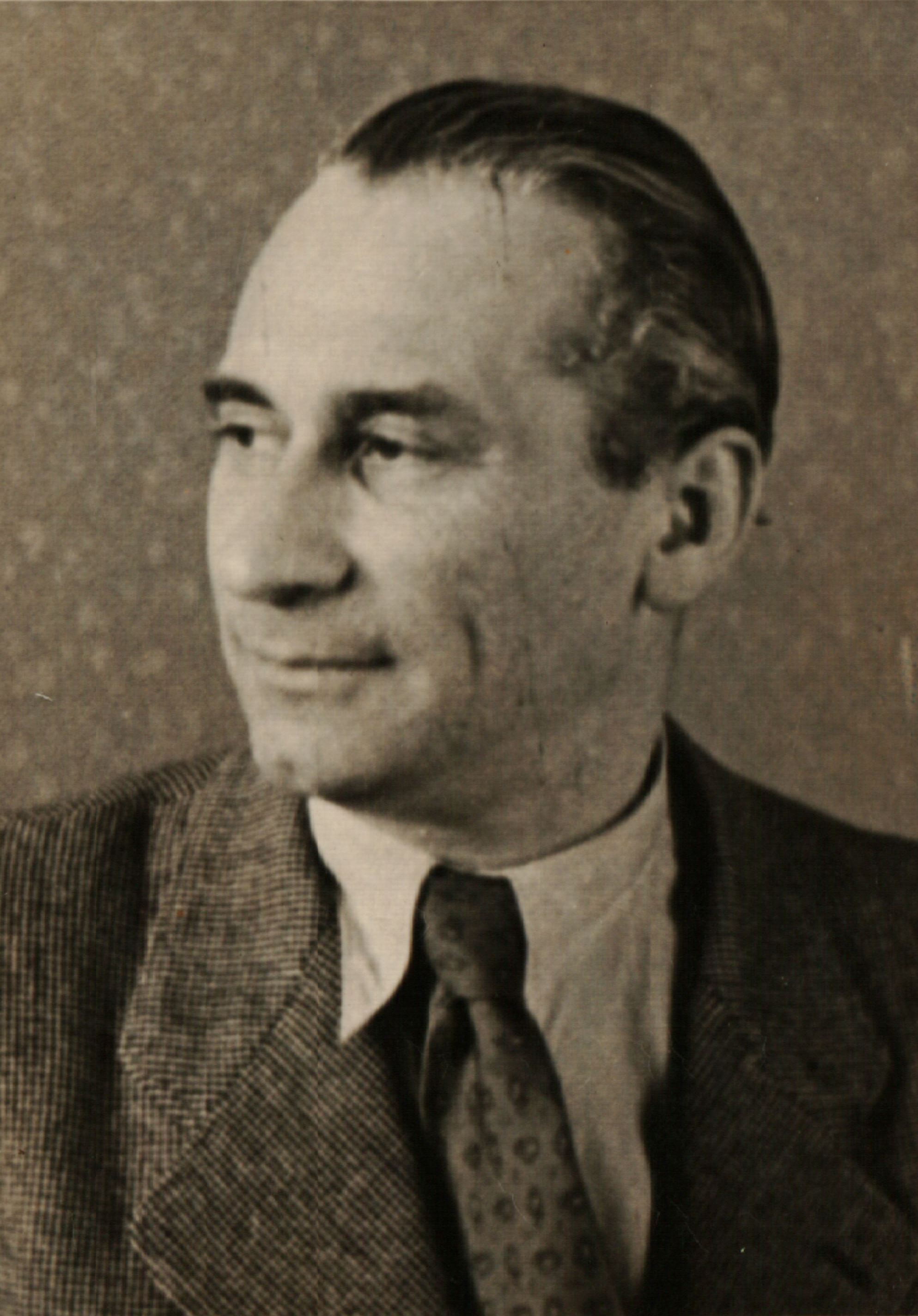
Karel AnÄerl
1908–1973
- Nationality
- Czechoslovakia
- Occupation
- conductor
Incarceration history
Facilities
- Zigeunerlager AuschwitzDates unknown
- Zigeunerlager AuschwitzDates unknown
Biography
Karel AnÄerl (11 April 1908 â 3 July 1973) (Czech pronunciation: [karÉl antÍ¡ÊÉrl]) was a Czech conductor and composer, renowned especially for his performances of contemporary music and for his interpretations of music by Czech composers. AnÄerl was born into a prosperous Jewish family in the village of TuÄapy in southern Bohemia. After graduating from the Prague Conservatory, he pursued his conducting studies under Hermann Scherchen and Václav Talich. He was the assistant conductor at the Munich premiere of Alois Hába's quarter-tone opera Mother (1931) and conducted the orchestra of the avant-garde theatre Osvobozené divadlo in Prague (1931â1933). Conducting work for Czechoslovak radio was interrupted by World War II which resulted in his being imprisoned with his family in the Theresienstadt concentration camp in 1942 and then sent to Auschwitz in 1944. Unlike his wife and young son, AnÄerl survived Auschwitz. After the war, AnÄerl conducted for Radio Prague until 1950, when he became artistic director of the Czech Philharmonic, a post he held successfully for eighteen years. Following the 1968 invasion of Czechoslovakia, AnÄerl emigrated to Toronto, Canada, where he worked as music director of the Toronto Symphony Orchestra until his death in 1973. As a conductor, AnÄerl helped foster a distinctly Czech orchestral sound, both within the Czech Philharmonic and elsewhere. Highly regarded also as a studio artist, AnÄerl made a wide range of recordings on the Supraphon label, including repertoire by various Czech composers (remastered in the Karel AnÄerl Gold Edition).
Related people
Same nationality and era where possible; falls back to shared nationality or era.
- Viktor Lederer1905Czechoslovakia
- Jan Vraný1889–1943Czechoslovakia
- Karel SrÅ¡eÅ1922–1982Czechoslovakia
- Karel HanuÅ¡1888–1970Czechoslovakia
- Berthold Epstein1890–1962Czechoslovakia
Berthold Epstein (1 April 1890 â 9 June 1962) was a Czech pediatrician, professor and scientist.
- Wenceslaus Slech1918Czechoslovakia