All persons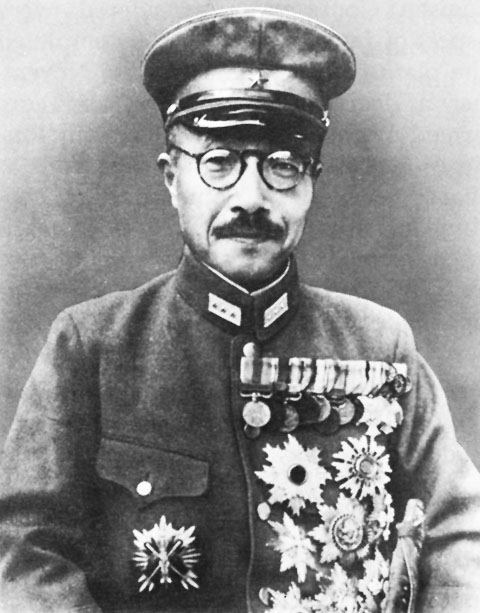
Hideki Tojo
1884–1948
- Nationality
- Japan
- Occupation
- politician
Hideki Tojo (30 December 1884 â 23 December 1948) was a Japanese military officer and politician who served as Prime Minister of Japan from 1941 to 1944 during World War II.
Incarceration history
Facilities
- Sugamo PrisonDates unknown
Biography
Hideki Tojo (30 December 1884 â 23 December 1948) was a Japanese military officer and politician who served as Prime Minister of Japan from 1941 to 1944 during World War II. His leadership was marked by widespread state violence and mass killings perpetrated in the name of Japanese nationalism. Born into a military family of samurai descent in KÅjimachi, Tokyo, Tojo followed in his father's footsteps by pursuing a military career, graduating from the Imperial Japanese Army Academy in 1905. After serving as a military attaché in Germany, he rose to prominence in the 1930s as a member of the TÅseiha (lit.â'Control Faction') within the Imperial Japanese Army (IJA). In 1937, as chief of staff of the Kwantung Army, he led operations during the Japanese invasion of China. By 1940, he was appointed Minister of the Army, where he advocated a tripartite alliance with Nazi Germany and Fascist Italy. In October 1941, he was appointed Prime Minister of Japan by Emperor Hirohito. Upon taking office as Prime Minister, Tojo prioritized the total mobilization of the Empire of Japan for "total war". He enforced strict censorship and utilized the Kempeitai (military police) to suppress dissent while promoting an ideology of absolute loyalty to the Emperor. His foreign policy was defined by the pursuit of the Greater East Asia Co-Prosperity Sphere, a concept used to justify aggressive expansion into Southeast Asia and the Pacific in order to secure natural resources. On 7 December 1941, Tojo's cabinet oversaw the Japanese attack on Pearl Harbor which resulted in his country's entry into World War II on the side of the Axis powers. Despite achieving significant territorial gains in Asia and the Pacific during the opening months of the conflict, the tide decisively turned against Japan following its defeat at the Battle of Midway in June 1942. In the capacity of his nation's head of government throughout most of the war, Tojo presided over numerous war crimes, including the massacre and starvation of thousands of POWs and millions of civilians. As Allied forces closed in on the Japanese home islands, Tojo's hold on power steadily declined before he was ultimately forced to resign on 18 July 1944 upon the fall of Saipan. After his nation's surrender to the Allied powers in September 1945, he was arrested, convicted by the International Military Tribunal for the Far East in the Tokyo Trials, sentenced to death, and hanged on 23 December 1948. To this day, Tojo's complicity in the July 1937 invasion of China, the surprise attack on Pearl Harbor in December 1941 and numerous acts of mass murder have firmly intertwined his legacy with the Empire of Japan's warmongering brutality during the early ShÅwa era.
Related people
Same nationality and era where possible; falls back to shared nationality or era.
- Miyagi Yotoku1903–1943Japan
Yotoku Miyagi (å®®å ä¸å¾³, Miyagi Yotoku; 1903â1943) was an Okinawan Marxist artist, Communist Party USA member, and a member of Richard Sorge's spy ring. .
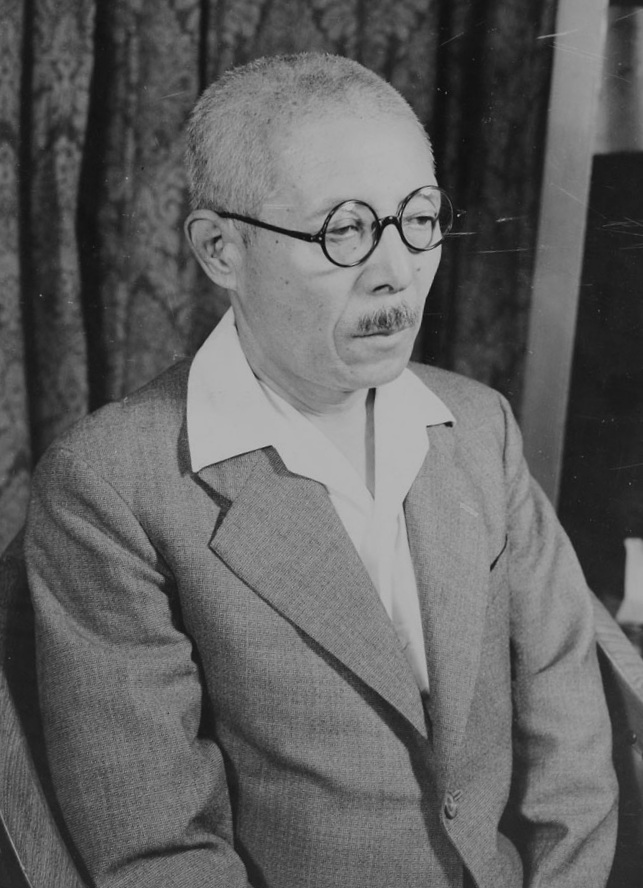 HeitarÅ Kimura1888–1948Japan
HeitarÅ Kimura (æ¨æ å µå¤ªé, Kimura HeitarÅ (sometimes Kimura HyÅtarÅ); 28 September 1888 â 23 December 1948) was a general in the Imperial Japanese Army.
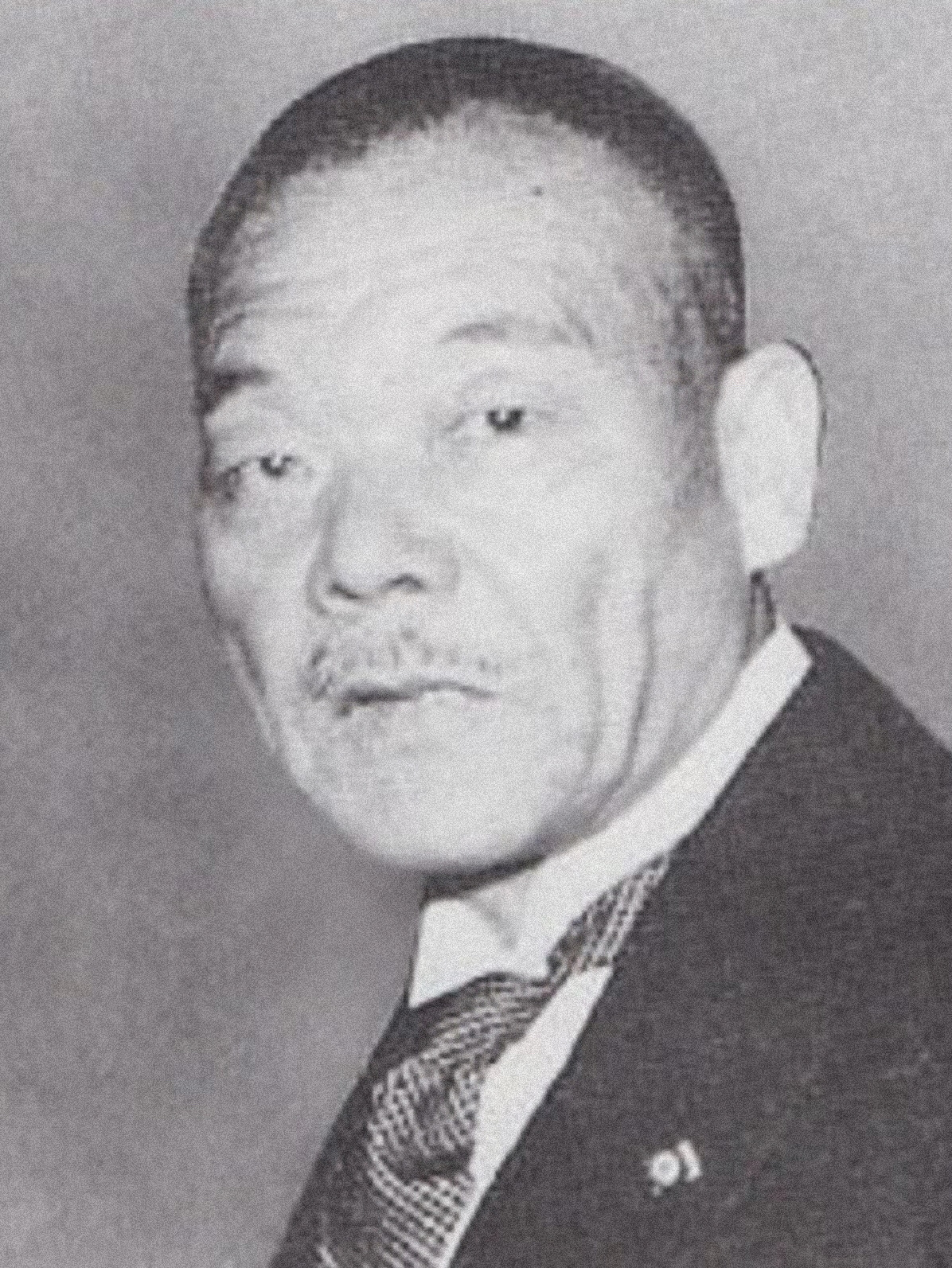 Kuniaki Koiso1880–1950Japan
Kuniaki Koiso (å°ç£¯ åæ, Koiso Kuniaki; 22 March 1880 â 3 November 1950) was a Japanese politician and general who served as prime minister of Japan from 1944 to 1945, during World War II.
 Hiranuma KiichirÅ1867–1952Japan
Baron KiichirÅ Hiranuma (平沼 é¨ä¸é; 28 September 1867 â 22 August 1952) was a Japanese lawyer and politician who served as Prime Minister of Japan in 1939. Hiranuma rose to prominence as a prosecutor and official in the Ministry of Justice.
 KisaburÅ AndÅ1874–1954Japan
KisaburÅ AndÅ (å®è¤ ç´ä¸é, AndÅ KisaburÅ; 11 February 1874 â 10 May 1954) was a career officer and lieutenant general in the Imperial Japanese Army, who served as a politician and cabinet minister in the government of the Empire of Japan during World War II.
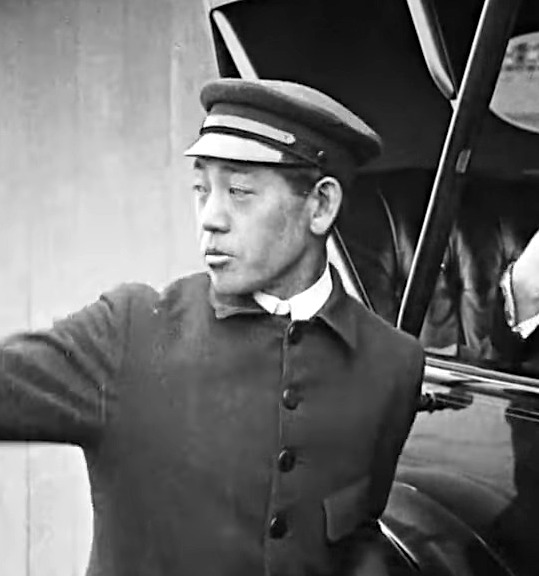 Toraichi Kono1885–1971Japan
Toraichi Kono (é«éèå¸, KÅno Toraichi, 1885â1971) was the valet and secretary of Charlie Chaplin. He appeared in three of Chaplin's films as the valet to Chaplin's characters, and he worked as a representative for United Artists.