All persons
Ernst Thälmann
1886–1944
- Nationality
- German Empire
- Occupation
- politician
Incarceration history
Facilities
- Buchenwald concentration campDates unknown
Biography
Ernst Johannes Fritz Thälmann (German: [ÉÊnst ËtÉËlman]; 16 April 1886 â 18 August 1944) was a German communist politician, revolutionary, and leader of the Communist Party of Germany (KPD) from 1925 to 1933. A committed communist, Thälmann sought to overthrow the Weimar Republic, especially during the instability of its final years, and to replace it with a socialist state based on Marxism-Leninism. Under his leadership, the KPD became intimately associated with the government of the Soviet Union and the policies of Joseph Stalin. The KPD under Thälmann's leadership regarded the Social Democratic Party (SPD) as an adversary and the party adopted the position that the social democrats were "social fascists". Both the SPD and KPD were already previously split on many key issues, however, this new stance clarified it was impossible for the two parties to form a united front against the Nazi Party. Thälmann was leader of the paramilitary Roter Frontkämpferbund. After the Nazi regime began, he was arrested by the Gestapo in 1933 and held in solitary confinement for eleven years. Stalin and Vyacheslav Molotov originally sought Thälmannâs release; after the MolotovâRibbentrop Pact, efforts to that end were abandoned, while Thälmann's party rival Walter Ulbricht ignored requests to plead on his behalf. Thälmann was shot dead on Adolf Hitler's personal order in Buchenwald concentration camp in 1944.
Related people
Same nationality and era where possible; falls back to shared nationality or era.
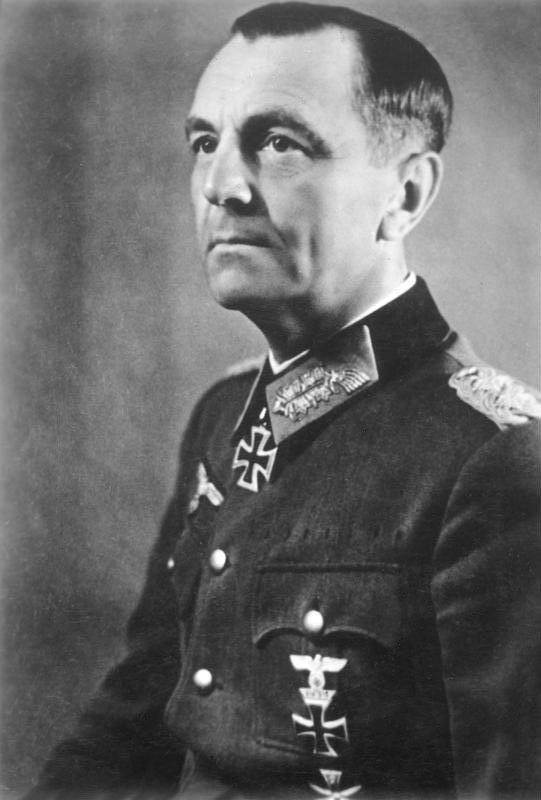 Friedrich Paulus1890–1957German Empire
Friedrich Wilhelm Ernst Paulus (23 September 1890 â 1 February 1957) was a German Generalfeldmarschall (Field Marshal) during World War II who is best known for his surrender of the German 6th Army during the Battle of Stalingrad (July 1942 to February 1943).
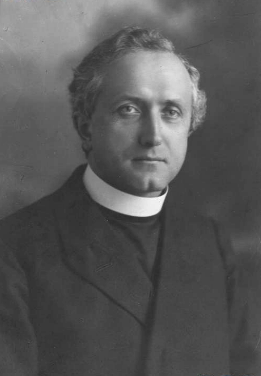 Emil Szramek1887–1942German Empire
Emil Szramek (29 September 1887 â 13 January 1942) was a Polish and Roman Catholic priest.
- Adolf Aronheim1881–1943German Empire
- Walter Helmuth Schwerin1890–1944German Empire
- Hermann da Fonseca-Wollheim1893–1944German Empire
- Gerhard Schiedlausky1906–1947German Empire